
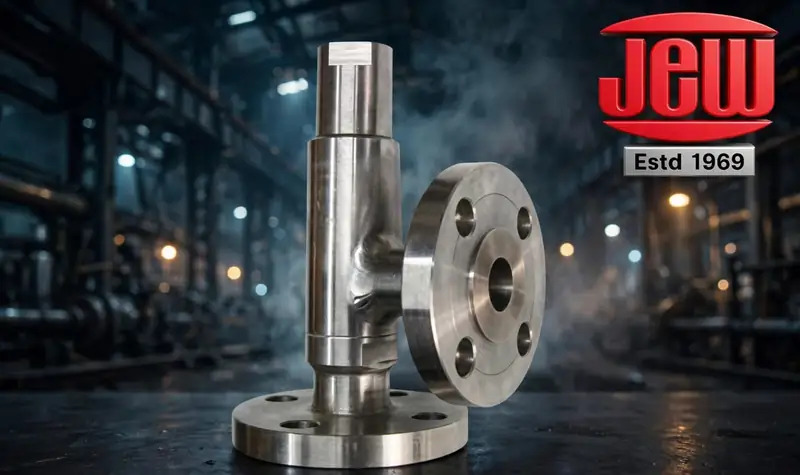
Description
Critical Line Protection: Safeguard positive displacement pumps, chemical injection skids, and downstream process piping against overpressure catastrophes with 100% Nitrogen-tested safety relief valves.
Technical Specifications
ParameterEngineering Specification
Nominal Size1/2″ (15 NB) Inlet x 1/2″ (15 NB) Outlet (3/4″ & 1″ also available)
End ConnectionsFlanged ANSI B16.5 Class 150# / 300# / Screwed BSP / NPT (F)
Set Pressure Range0.5 to 10 kg/cm² adjustable (High pressure models up to 100 bar)
Body & Bonnet MaterialBar-Stock SS 316 / SS 316L (Alloy 20, Hastelloy C-276, Monel optional)
Internal SpringHeavy-duty Spring with proprietary PTFE (Teflon) Anti-Corrosion Coating
Diaphragm / Sealing DiscVirgin PTFE (Teflon) / Viton / Kalrez for zero-leak bubble shut-off
Factory Quality Testing100% Nitrogen Gas Bubble Tested + Hydrostatic Shell Pressure Testing
Request Technical Datasheet & Fast Quote
We supply chemical metering pumps with ±1% accuracy, API 675 compliance, Mill Test Certificates (MTC 3.1) & Hydrostatic Test Logs. Worldwide export packaging available from JNPT Mumbai.
💬 WhatsApp Instant RFQ: +91 98191 49521
Direct Call: +91 98191 49521 | Email: hardik@jewpump.com
Frequently Asked Technical Questions
{“@context”: “https://schema.org”, “@type”: “FAQPage”, “mainEntity”: [{“@type”: “Question”, “name”: “Why is a pressure relief valve mandatory on a positive displacement pump line?”, “acceptedAnswer”: {“@type”: “Answer”, “text”: “Positive displacement pumps deliver constant volume regardless of discharge pressure. If a discharge valve is closed or a line is blocked, pressure builds indefinitely until pipe rupture or motor burn. A PRV relieves excess pressure safely back to the suction tank.”}}, {“@type”: “Question”, “name”: “How does the PTFE coated spring improve valve life?”, “acceptedAnswer”: {“@type”: “Answer”, “text”: “In corrosive chemical and acidic vapor services, conventional springs suffer rapid pitting and fatigue failure. JEW’s proprietary PTFE encapsulation protects the spring wire from corrosive attack, ensuring consistent cracking pressure.”}}, {“@type”: “Question”, “name”: “How are JEW pressure relief valves tested before delivery?”, “acceptedAnswer”: {“@type”: “Answer”, “text”: “Every valve undergoes 100% Nitrogen gas bubble testing conforming to API 527 standards to guarantee zero seat leakage up to 90% of set cracking pressure, along with hydrostatic shell testing.”}}]}
Reviews
There are no reviews yet.